Lingua
Where does the term "paparazzi" come from?
The word the whole world uses was invented in a fisherman's dialect in Abruzzo
Did you know that every time someone uses the word paparazzi, they're using a term used for shellfish, originally found in the fishermen's dialect of Abruzzo?
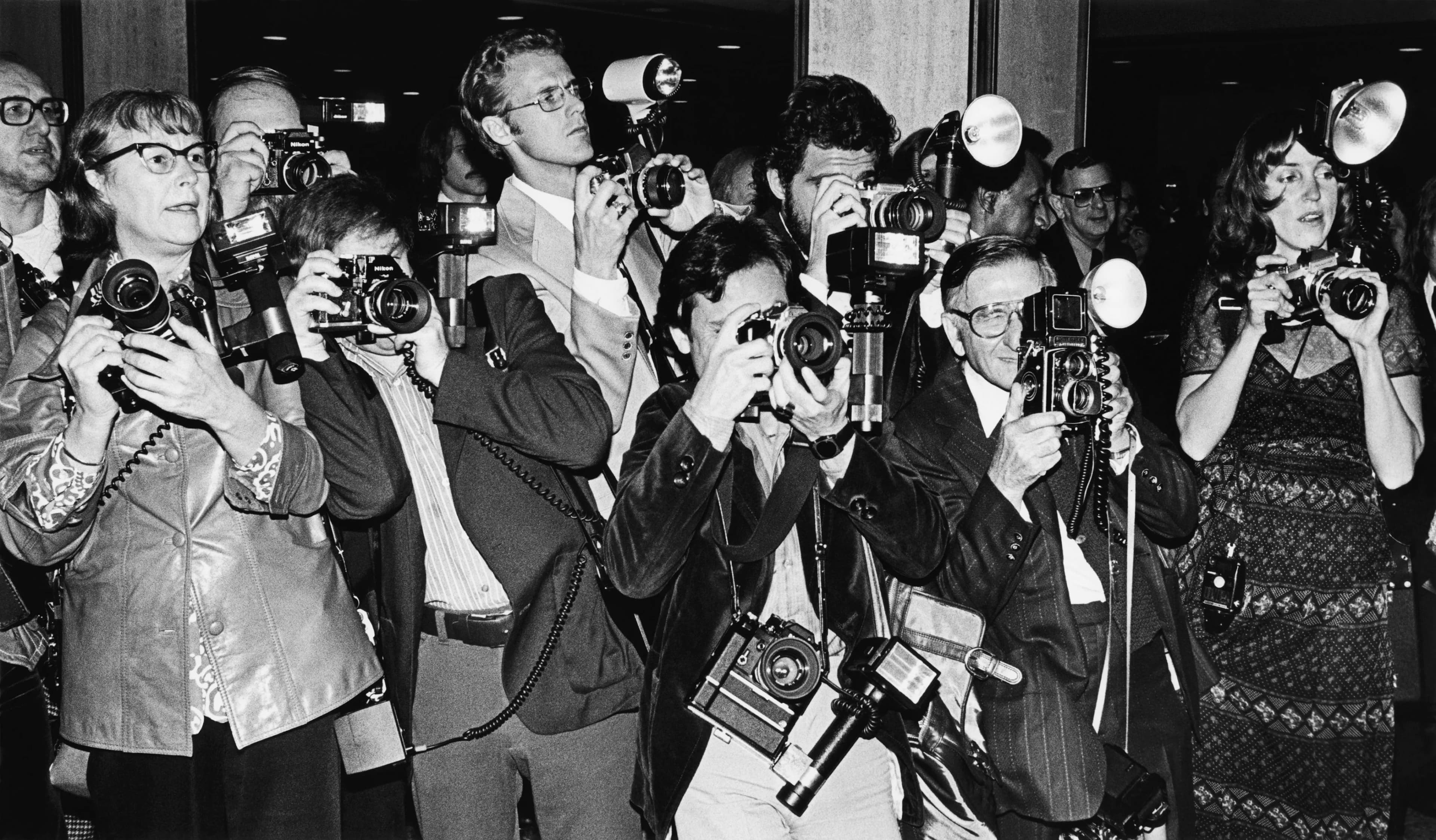
Before 1960, no standard dictionary included the word. That changed overnight with Federico Fellini’s La Dolce Vita, co-written by the legendary screenwriter and journalist Ennio Flaiano, a native of Pescara, Abruzzo. One of the film's characters, a hyperactive news photographer, is nicknamed Paparazzo.
Flaiano took the name directly from his hometown dialect: paparazze, referring to the small local clams fished out of the Adriatic Sea. For Flaiano and Fellini, the metaphor was double-edged perfection:
- The movement: The clam shells rapidly snapping open and shut mirrored the continuous clicking of a camera shutter.
- The behavior: Just as clams dart about and vanish under the sand, intrusive photographers snatch a quick shot and instantly disappear into the crowd.
Fellini’s love for the word's sharp, insect-like buzz was rewarded as the character's name became instantly iconic. When the film exploded globally, media worldwide adopted paparazzo for celebrity hunters.
Linguistically, Italian keeps a distinction: one photographer is a paparazzo, while two or more are paparazzi. English took the plural form and transformed it into a global noun, a testament to how Italian cinema could do more than just capture culture, sometimes even creating the very words we use to speak about it.