Italianità
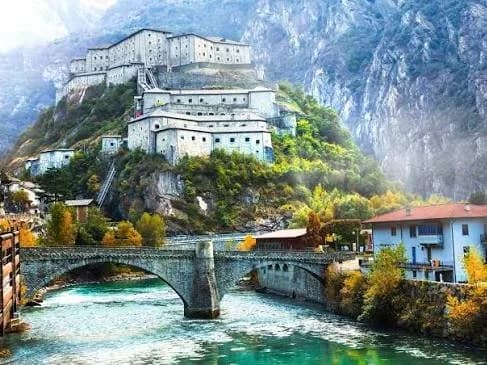
Is Valle d'Aosta actually Italian?
Three languages, one mountain range, and a fiercely local way of being Italian
Stand in the shadow of Monte Bianco (aka Mont Blanc), and you'll hear Italian, French, and local Franco-Provençal patois spoken in a single breath. Outsiders often wonder: is this tiny border region actually Italian, or just a quiet extension of the French Alps?
Don't let the dual-language road signs fool you. Valle d'Aosta’s special autonomy status (which legally protects both French and Italian alongside ancient dialects) isn't a stepping stone toward breaking away or joining France. There's no separatism cravings happening here. Instead, autonomy is prized as a practical tool to protect high-altitude mountain life within the Italian nation.
The Valdostani are completely, proudly Italian. In fact, one could argue that their borderland culture reveals the ultimate truth about Italianità: being Italian was never about fitting a single Mediterranean stereotype, but guarding your local roots with fierce, unyielding pride.
So give it a try, go step into a stone tavern in Aosta and order Zuppa alla Valdostana: layers of cabbage, rye bread, and bubbling Fontina DOP cheese. It proves that eating rich comfort food surrounded by mountain warmth is as authentically Italian as a sunny coastal aperitivo.