A tavola!
Twenty regions, twenty kitchens: why "Italian Food" doesn't exist
The history, the geography, and the fierce local pride behind Italy's radical culinary diversity
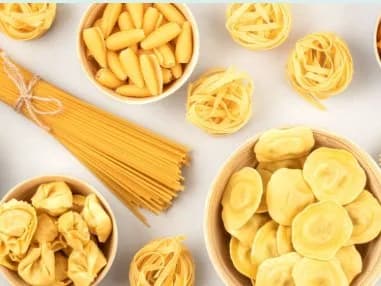
If you ask an Italian to define "authentic Italian food," you might be met with a confused smile. The truth is simple: there is no single national Italian cuisine. What the world calls "Italian food" is actually a vibrant tapestry of twenty distinct regional kitchens, each guarded with fierce local pride. Why such radical diversity on one small peninsula? History and geography hold the answer. Until political unification in 1861, Italy was a patchwork of rival city-states, papal territories, and foreign-ruled kingdoms. In Sicily, Arab influence introduced citrus, saffron, and couscous. In Piedmont, French royal courts refined rich, truffle-laced sauces. Geography sharpened these boundaries even further. The chilly, mountainous North historically relied on butter, lard, polenta, and risotto, while the sun-drenched South embraced olive oil, chili peppers, and dried durum wheat pasta. This regionality is fueled by campanilismo: the deep connection to one's local bell tower (campanile). Drive just thirty minutes across a valley, and you’ll find a different shape of pasta, a unique aging technique for cheese, and a brand-new dialect spoken at the table. To eat in Italy is not to taste one national menu, but to embark on twenty different journeys.
You are invited to take your seat at the table.
Next Wednesday on language day: campanilismo. You will want to read that one.